


Libido supplements
Disclaimer: This article provides educational information about libido supplements and sexual health. It is not a substitute for professional medical advice, diagnosis, or treatment. Always consult a qualified healthcare provider regarding concerns about low libido or before starting any supplement.
Basics: what it is
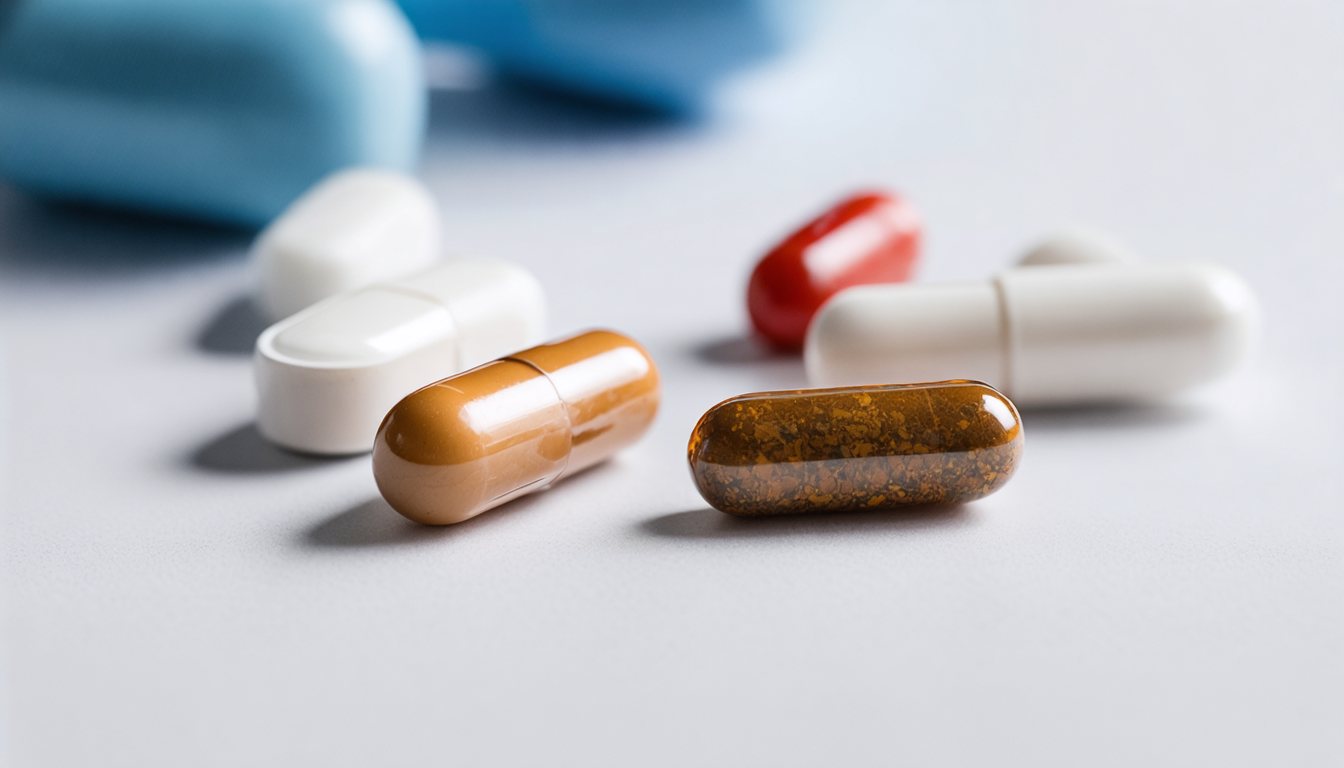
Libido supplements are dietary products marketed to enhance sexual desire, arousal, or overall sexual performance. They may contain herbal extracts, vitamins, minerals, amino acids, or hormone-related compounds. These products are commonly used by individuals experiencing low sexual desire (low libido), stress-related sexual changes, or age-related hormonal shifts.
Unlike prescription medications for erectile dysfunction or hormone therapy, most libido boosters are sold over the counter as dietary supplements. Their regulation differs from pharmaceuticals, meaning safety and effectiveness can vary.
Common ingredients in libido supplements include:
- Maca root – traditionally used to support sexual desire and energy.
- Ginseng – associated with improved energy and possible sexual function benefits.
- L-arginine – an amino acid that may support blood flow.
- Tribulus terrestris – marketed for testosterone support, though evidence is mixed.
- Zinc and vitamin D – linked to hormone health when deficient.
Sexual health intersects with overall well-being. You can explore broader approaches in our Health & Wellness resources section.
How libido is regulated in the body
Libido is influenced by hormones (testosterone, estrogen), neurotransmitters (dopamine, serotonin), psychological state, relationship factors, stress levels, and physical health. Supplements typically target hormonal balance, circulation, or stress reduction pathways.
Dietary supplements vs. prescription drugs
Prescription medications undergo rigorous clinical trials for safety and efficacy. Dietary supplements are regulated as food products in many countries and are not required to prove effectiveness before marketing. Quality and ingredient accuracy may vary.
Symptoms and signs
Low libido is not a disease by itself, but it may be a symptom of underlying physical or psychological factors. Signs that may prompt someone to consider libido supplements include:
- Reduced sexual desire – persistent lack of interest in sexual activity.
- Difficulty becoming aroused – even when emotionally interested.
- Decreased sexual thoughts or fantasies.
- Relationship strain – caused by mismatched desire levels.
- Fatigue or low energy – affecting intimacy.
Occasional fluctuations are normal. However, if symptoms persist for several months and cause distress, medical evaluation is recommended.
Gender differences in libido changes
In men, libido often correlates with testosterone levels, though psychological and relational factors are equally important. In women, libido is influenced by hormonal cycles, menopause, mental health, and relationship satisfaction. Female sexual interest/arousal disorder is a recognized clinical condition.
Similar conditions: how to differentiate
Low libido can resemble other medical or psychological conditions. Proper differentiation helps determine whether supplements are appropriate.
| Condition | Main Feature | Key Difference |
|---|---|---|
| Low libido | Reduced sexual desire | Desire is low, but physical function may be normal |
| Erectile dysfunction (ED) | Difficulty maintaining erection | Desire may be present; problem is physical performance |
| Depression | Low mood, fatigue, loss of interest | Affects multiple life areas, not only sexual interest |
| Hormonal disorders | Hormone imbalance symptoms | May include weight changes, hair loss, menstrual irregularities |
Medication-induced sexual dysfunction
Antidepressants (especially SSRIs), blood pressure medications, and hormonal therapies may reduce libido. Adjusting medication under medical supervision may be more effective than adding supplements.
Diagnosis
Before starting libido supplements, healthcare providers often evaluate:
- Medical history – chronic diseases, medications, stress factors.
- Hormone levels – testosterone, estrogen, thyroid hormones.
- Mental health screening – depression, anxiety, stress.
- Lifestyle factors – sleep, alcohol use, physical activity.
Laboratory testing may include blood work to assess hormonal balance and nutritional deficiencies (e.g., vitamin D, zinc). A thorough evaluation ensures that treatable conditions are not overlooked.
For guidance on evaluating supplement quality and labels, see our Buying Guides for wellness products.
When to seek urgent medical advice
Sudden loss of sexual function, severe fatigue, unexplained weight loss, or signs of endocrine disorders should prompt immediate medical consultation.
What usually helps
Management of low libido depends on its cause. Evidence-based strategies may include:
Lifestyle optimization
- Regular physical activity to improve circulation and hormone regulation.
- Stress reduction techniques such as mindfulness or relaxation exercises.
- Improved sleep hygiene.
- Balanced nutrition.
Explore relaxation practices in our Lifestyle & Relaxation section.
Addressing underlying conditions
- Treatment of depression or anxiety.
- Hormone therapy when medically indicated.
- Adjustment of medications affecting sexual function.
Libido supplements with some clinical support
- Panax ginseng – may modestly improve sexual function in some studies.
- Maca – small trials suggest possible improvement in sexual desire.
- L-arginine – may support nitric oxide production and blood flow.
Evidence remains mixed, and responses vary. Supplements should be chosen carefully, considering ingredient transparency and third-party testing.
For those interested in preparing herbal infusions, see our DIY & Recipes herbal preparation tips section.
Limitations of current research
Many libido supplement studies are small, short-term, or industry-funded. Standardized dosing and long-term safety data are often lacking. Results cannot be generalized to all populations.
Safety considerations and interactions
Herbal supplements may interact with blood pressure medications, anticoagulants, antidepressants, and diabetes drugs. “Natural” does not always mean safe. Always disclose supplement use to healthcare providers.
FAQ
1. Do libido supplements really work?
Some ingredients show modest benefits in small studies, but results are inconsistent. Effectiveness depends on the underlying cause of low libido.
2. Are libido supplements safe?
Safety varies by ingredient and individual health status. Quality control differs among manufacturers. Consultation with a healthcare professional is recommended.
3. How long does it take to notice effects?
Some herbal supplements may require several weeks before noticeable changes occur, though evidence is limited.
4. Can women use libido supplements?
Yes, some products are marketed specifically for women. However, causes of low libido in women can be complex and should be medically evaluated.
5. Are there risks of hidden ingredients?
Yes. Some sexual enhancement supplements have been found to contain undeclared pharmaceutical ingredients. Purchasing from reputable sources is important.
6. Is low libido a normal part of aging?
Sexual desire may change with age, but persistent or distressing changes should not be ignored.
7. Can stress alone reduce libido?
Yes. Chronic stress elevates cortisol, which can suppress sex hormones and decrease desire.
8. Are supplements regulated?
In many countries, dietary supplements are regulated differently from prescription drugs and are not required to prove effectiveness before sale.
Sources
- National Institutes of Health (NIH) – Office of Dietary Supplements (ods.od.nih.gov)
- U.S. Food and Drug Administration (FDA) – Dietary Supplements (fda.gov)
- Mayo Clinic – Low sex drive in men and women (mayoclinic.org)
- Endocrine Society – Clinical Practice Guidelines (endocrine.org)
- American Urological Association (AUAnet.org)
